Navigating the Healthcare System in Berlin: What International Patients Need to Know


Understanding the German Healthcare System
Germany boasts one of the world's most robust healthcare systems, offering both public and private options. For international patients in Berlin, navigating this system can initially seem daunting. However, understanding the basics can make the process much smoother.
The healthcare system in Germany is primarily based on statutory health insurance, known as Gesetzliche Krankenversicherung (GKV), and private health insurance, or Private Krankenversicherung (PKV). While residents are typically covered under GKV, international patients might need to explore private options depending on their circumstances.

Public vs. Private Healthcare
For international patients, choosing between public and private healthcare is crucial. Public healthcare generally offers comprehensive coverage at a lower cost, but it may involve longer waiting times for non-emergency services. On the other hand, private healthcare provides quicker access to specialists and facilities, often with a higher price tag.
If you're employed in Berlin, your employer will typically enroll you in the public system. However, if you're self-employed or not eligible for GKV, private insurance might be necessary. It's important to compare plans and consider your specific healthcare needs.

Finding a Doctor
Once you've secured insurance, the next step is to find a doctor. In Berlin, you have the freedom to choose your healthcare provider, but it's wise to select one who speaks your language or offers translation services if needed. Online platforms and expat communities can be helpful resources for recommendations.
It's also beneficial to understand the referral process. In Germany, you'll generally need a referral from a general practitioner to see a specialist. This system ensures coordinated care and efficient use of resources.
Emergency Services
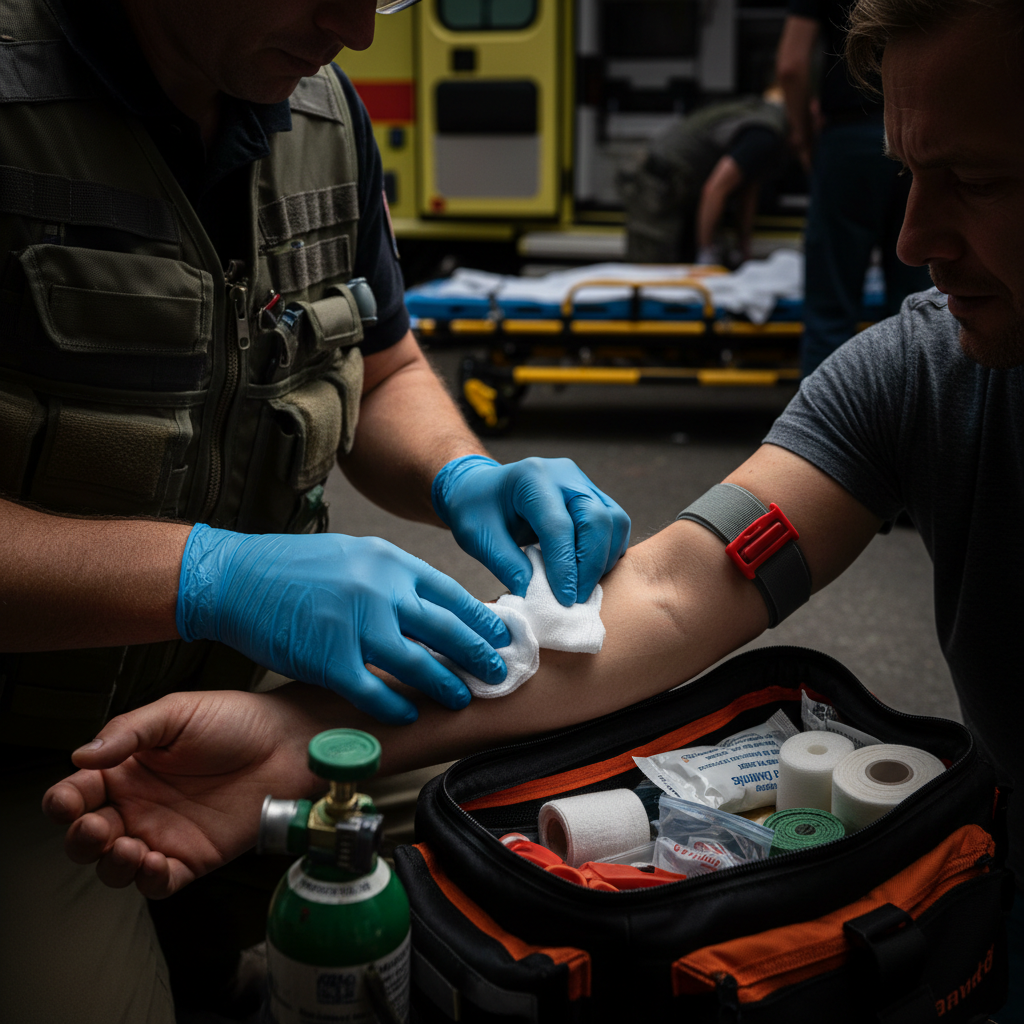
In case of emergencies, Germany's healthcare system is well-equipped to provide immediate care. The European emergency number, 112, is available for urgent medical assistance. Ambulance services are efficient, and hospitals are equipped to handle emergencies effectively.
For less critical issues, you can visit an outpatient clinic, known as an "Arztpraxis," during regular hours. It's important to carry your insurance card at all times to facilitate the process.
Pharmacies and Medications
Pharmacies, or "Apotheken," are widely available in Berlin and offer a range of over-the-counter medications. For prescription medications, you'll need a prescription from a licensed doctor. Most pharmacies provide guidance in English, and many offer around-the-clock services for emergencies.
Understanding medication labeling and instructions is crucial, so don't hesitate to ask the pharmacist for clarification if needed. Keep a list of your current medications and dosages to ensure continuity of care while in Berlin.
Language and Communication
While many healthcare professionals in Berlin speak English, it's beneficial to learn basic German medical terms to facilitate communication. Language barriers can sometimes lead to misunderstandings, so utilizing a translator app can be helpful in critical situations.
Additionally, many hospitals and clinics offer translation services, but it's always a good idea to confirm this availability beforehand, especially for specialized or complex treatments.

Conclusion
Navigating the healthcare system in Berlin as an international patient doesn't have to be overwhelming. By understanding the structure, choosing the right insurance, and knowing where to seek help, you can ensure a smooth healthcare experience. With the right preparation, you'll find that Berlin's healthcare system is both accessible and efficient.