Understanding the Medical Visa Process: What International Patients Need to Know


In an increasingly globalized world, medical tourism has become a popular option for patients seeking high-quality healthcare services abroad. However, understanding the medical visa process is crucial for international patients planning to travel for medical treatment. This blog post aims to provide a comprehensive overview of the essential aspects of obtaining a medical visa.
What is a Medical Visa?
A medical visa is a type of travel visa that allows international patients to enter a country for the purpose of receiving medical treatment. These visas are typically issued for a specific duration and may include provisions for multiple entries, allowing patients and their companions to travel in and out of the country as required during their treatment.
Eligibility Criteria
Medical Conditions
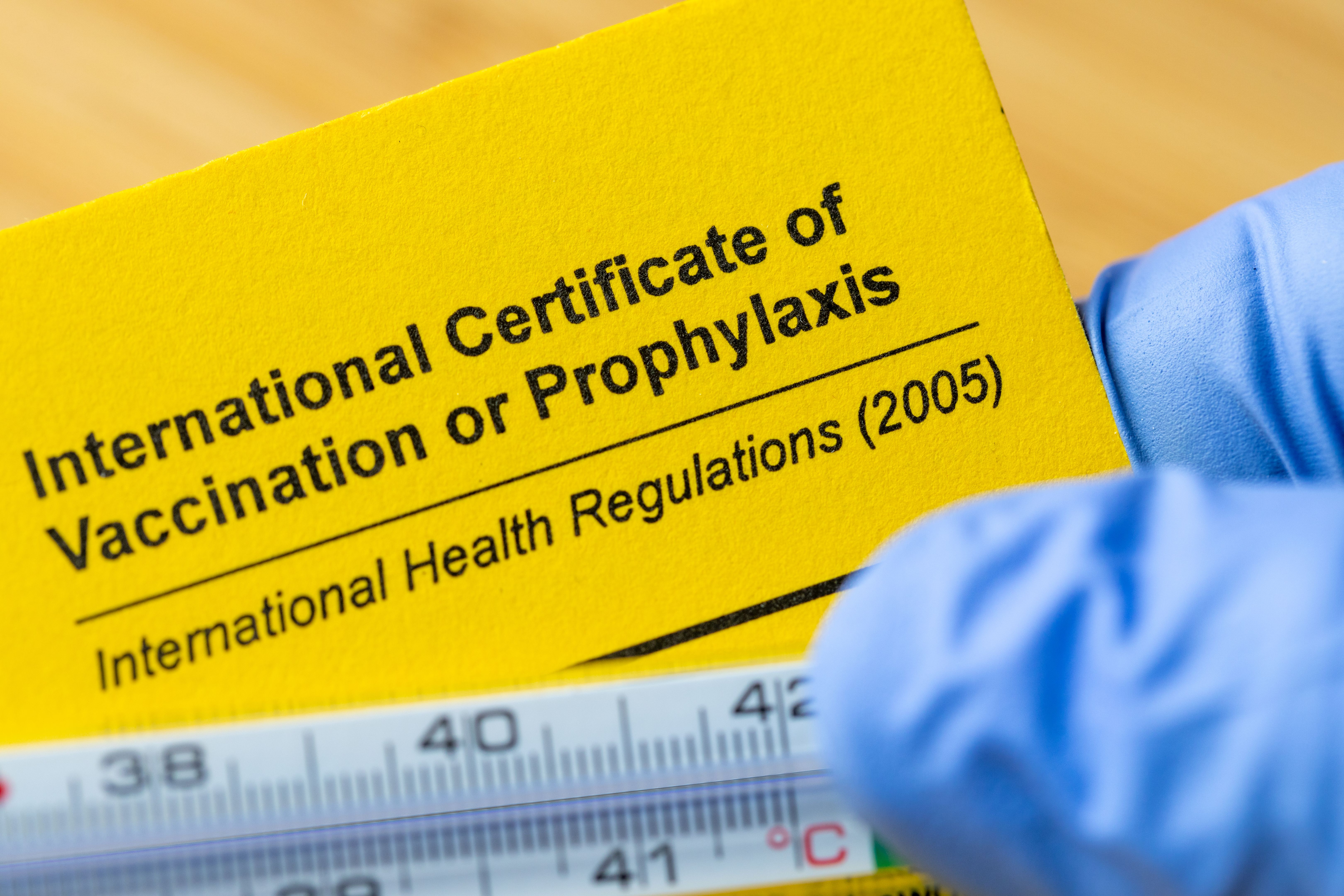
To qualify for a medical visa, patients must have a genuine medical condition that necessitates treatment in a foreign country. Common conditions include surgeries, specialized treatments, and critical care procedures that may not be available or are less advanced in the patient's home country.
Accredited Hospitals
Patients must seek treatment in hospitals or medical institutions accredited by the destination country's health authorities. These institutions are recognized for maintaining high standards of care, ensuring that international patients receive the best possible treatment.

Application Process
Required Documentation
Applying for a medical visa typically involves submitting a range of documents. These often include:
- A valid passport with a minimum of six months validity.
- A letter from the receiving medical institution confirming the patient's appointment and treatment plan.
- Proof of financial means to cover treatment and living expenses.
- Medical records and a letter from a local doctor recommending treatment abroad.
Application Submission
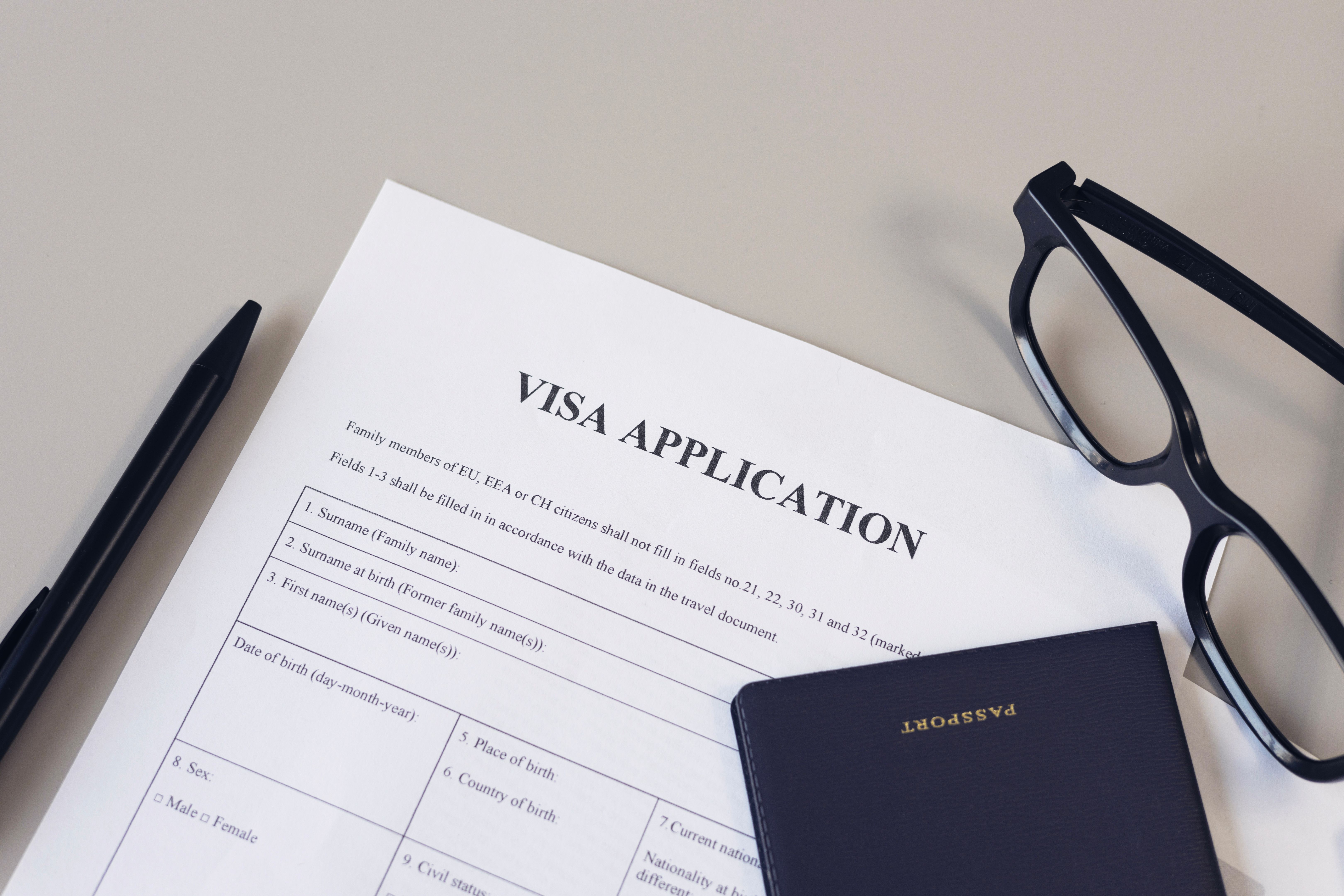
Applications can usually be submitted online or in person at the relevant embassy or consulate. It's important to thoroughly review the specific requirements of the destination country, as these can vary significantly. Processing times also differ, so patients should apply well in advance to avoid delays.
Companion Visas
Many countries allow patients to bring a companion, such as a family member or friend, to support them during their treatment. Companion visas often have similar requirements to medical visas and are processed concurrently.
Understanding Visa Limitations
While medical visas facilitate access to necessary healthcare, they also come with limitations. Patients and their companions must adhere to the terms of the visa, which may include restrictions on employment and limitations on the duration of stay. Staying beyond the visa's validity can result in penalties or future travel restrictions.
Tips for a Smooth Process
To ensure a hassle-free medical visa process, consider the following tips:
- Start the application process early to accommodate any delays.
- Maintain organized records of all correspondence and documentation.
- Consult with a medical tourism facilitator if needed for guidance and assistance.
By understanding the medical visa process and preparing accordingly, international patients can focus on receiving the care they need without unnecessary stress.